
What is a Full Body Swimsuit for Men? why is it Popular Amongst Swimmers and Surfers in Australia
Posted by ecostinger on 19th Oct 2026
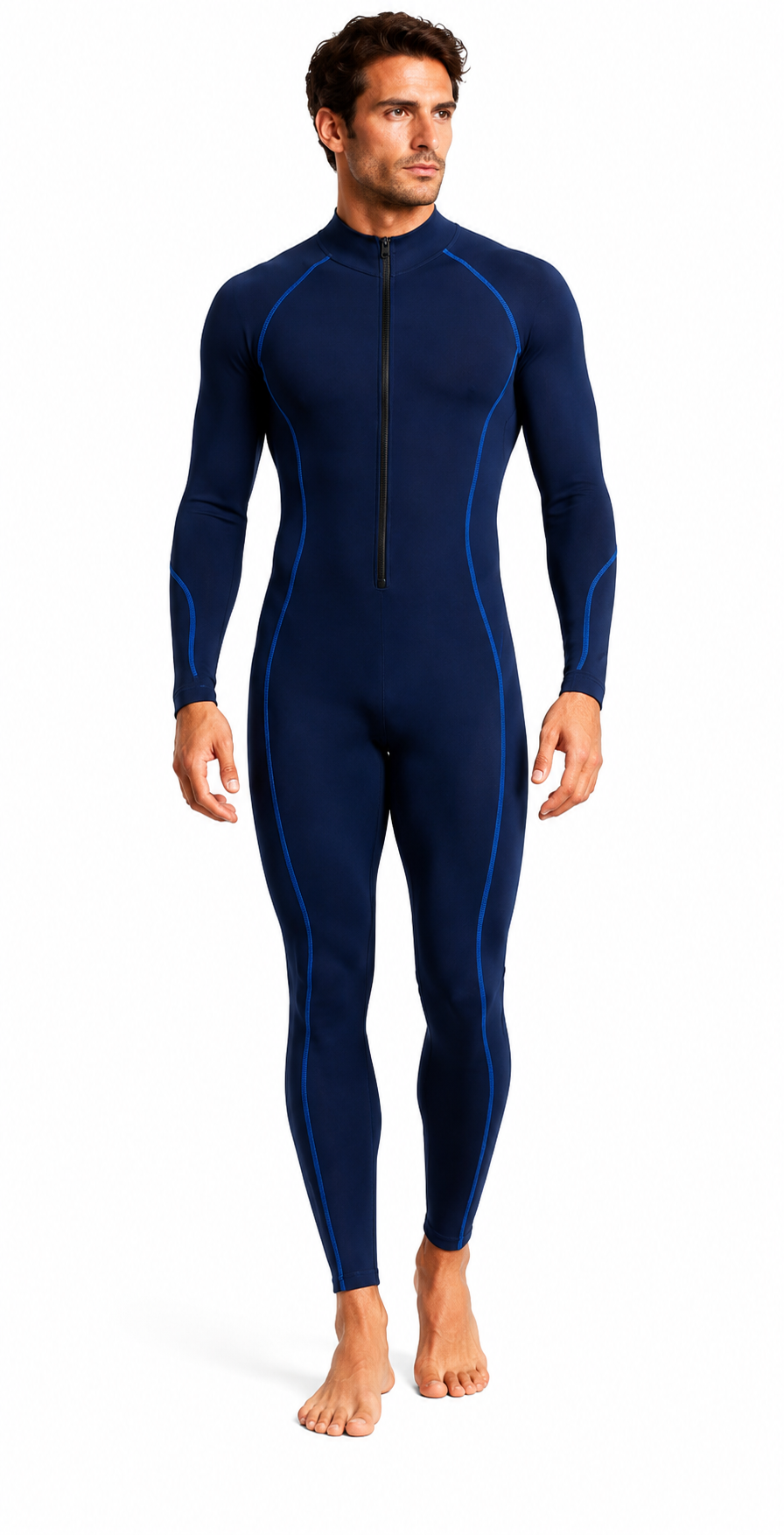
If you've ever spotted a swimmer or surfer in Australia wearing a full body swimsuit and wondered what the deal is, you're not alone. These suits are a far cry from your standard men's swimwear, offering full coverage that's built for sun, surf, and speed. Here's why so many Aussies are swapping their swim trunks for something with a little more protection.
Whether you're heading to the beach or the pool, the right swimsuit can make all the difference. In summer, comfort and fit are paramount, and fashion and style play a role too. The history of men's swimwear is rich, from the 1940s and 1950s to the 1960s, 1970s, and 1990s, with patterns, colors, and designs like solid, stripes, checks, herringbone, and micropattern evolving over time. Today, eco-friendly options and custom designs are increasingly popular.
What Is a Full Body Swimsuit for Men?
A full body swimsuit for men is a one-piece garment that covers the torso and often the arms and legs, designed for performance, protection, or modesty in the water. It occupies a distinct place within the broader spectrum of men's swimwear, sitting apart from conventional categories such as swim trunks, swim briefs, and board shorts. Other styles include square-cut swim shorts, trunks, briefs, speedos, jammers, retro swim shorts, long swim shorts, and hybrid swim shorts, each offering different levels of coverage and fit for various body type s.
These garments are purpose-engineered rather than merely extended. A racing suit prioritises hydrodynamic efficiency and compression, a surfing suit emphasises abrasion resistance and thermal comfort, and a sun-protective suit focuses on coverage during long hours outdoors. Each variation reflects the demands of its intended activity. The classic style of a men's bathing suit has evolved, and today's men's swimsuits often incorporate performance tech swimwear features.
In Australia, this category has gained particular traction among swimmers and surfers who contend with intense ultraviolet exposure, cool ocean temperatures, and the physical demands of extended time in the water. The one piece male swimwear format answers these conditions in ways that a standard bathing suit cannot.
Understanding the category begins with recognising that it is neither a wetsuit nor a speedo with sleeves attached. It is a specialised piece of performance swimwear with its own design language, fabric technology, and functional logic. The fabric used is crucial, often a blend of nylon and polyester, sometimes with lycra for stretch. After World War II, swimwear design advanced rapidly, and today's bathing suit for men can be as technical as any athletic gear.
Key Design Features and Materials
Full body swimsuits for men are constructed from technical fabrics that balance stretch, durability, and water resistance. The most common foundation is a blend of nylon and polyester, chosen for their resilience in chlorinated pools and saltwater alike.
Elastane, frequently referred to as Lycra, supplies the elasticity that allows the suit to move with the body without sagging or restricting the stroke. Coated fabrics appear in racing-oriented designs, where a smoother surface reduces drag through the water. These materials are chosen to withstand chlorine and saltwater, and are essential for activities like surfing.
Construction details matter as much as the fabric itself. Flatlock seams lie flush against the skin to prevent chafing during repeated movement, while compression panels support muscle groups and reduce fatigue over distance. Many suits also carry a UPF rating, indicating how effectively the fabric blocks solar radiation.
Other features worth noting include:
- Four-way stretch for unrestricted range of motion
- Chlorine-resistant treatments that extend garment life
- Rear zips or front entries for practical changing
- Bonded or taped seams in competition-grade pieces
The combination of these materials and features determines whether a suit suits casual beach use, serious training, or surf conditions.
How It Differs from Traditional Swimwear
Unlike swim trunks, briefs, or board shorts, a full body swimsuit for men offers continuous coverage and often integrates performance features across the entire body. Traditional types of men's swimwear are generally designed for casual leisure or conventional lap swimming, with coverage limited to the hips and upper legs.
The distinction extends to fit and function. Swim briefs and jammers prioritise minimal resistance in the pool, while board shorts serve surfers with loose coverage above the knee. A full body suit consolidates these benefits, adding sun protection across the shoulders and back, modest coverage, and in some designs a degree of buoyancy.
Abrasion resistance is another differentiator. Surfers who spend hours prone on a board benefit from fabric that shields the chest and thighs from wax and skin irritation, something a standard bathing suit does not provide.
| Feature | Traditional Swimwear | Full Body Swimsuit |
|---|---|---|
| Coverage | Hips to mid-thigh | Torso, arms, and legs |
| Sun protection | Limited, requires sunscreen | Built-in UPF fabric |
| Primary use | Casual and lap swimming | Racing, surfing, extended exposure |
| Compression | Minimal | Targeted panels |
For Australian conditions, these differences translate into practical comfort and protection that conventional swim shorts simply cannot match.
Types of Full Body Swimsuits for Men
Full body swimsuits for men fall into two main categories: performance racing suits and surf/recreation suits, each with distinct design priorities. Although both cover more of the body than conventional swim trunks or swim briefs, they serve fundamentally different purposes. One is built around velocity in controlled environments. The other is built around resilience in unpredictable ones.
The right choice hinges on three considerations. Activity determines whether you need hydrodynamic efficiency or unrestricted movement. Water conditions, from chlorinated lanes to open ocean breaks, dictate fabric durability and seam construction. Fit preferences then refine the decision, since some men favour a compressed, second-skin feel while others want room to move.
Understanding these distinctions matters in Australia, where a single swimmer might train in a pool on Tuesday and surf a reef break on Saturday. The one piece male swimwear market has responded with specialised cuts rather than a single universal garment. Knowing which subtype suits your routine prevents an expensive mismatch between garment and purpose.
The sections below outline what defines each category, so you can match construction to intent before comparing specific suits.
Performance Racing Suits
Performance racing suits are engineered for speed, compression, and reduced drag in competitive swimming environments. They are the technical end of men's swimwear, closer in spirit to athletic equipment than to casual beach attire. Every panel and stitch is evaluated for its effect on resistance through water.
The defining features include compressive fabrics that hold muscle groups firm and minimise vibration during repeated strokes. Many suits apply hydrophobic coatings that repel water rather than absorb it, helping the fabric glide. Seam placement is deliberate, often bonded or welded rather than stitched, to keep the surface as uninterrupted as possible.
These suits appear most often in pool races and triathlons, where seconds matter and the environment is predictable. Compression also aids endurance, since reduced muscle oscillation can leave swimmers fresher across longer efforts. Fit is intentionally snug, and the garment should feel tight before entering the water.
Racing suits demand careful handling. Chlorine and sunlight degrade coatings over time, so rinsing after each session preserves performance. They are not designed for surfing or casual lounging, and treating them as all-purpose men's swimwear shortens their working life considerably.
Surf and Recreation Suits
Surf and recreation suits prioritize durability, flexibility, and protection from elements like sun, saltwater, and board rash. Where racing suits chase velocity, these garments are built for hours of movement against abrasive surfaces and harsh conditions. Their design language borrows heavily from wetsuits and rash guards.
Construction reflects that toughness. Reinforced knees resist wear from kneeling on boards and rocks. Flatlock seams lie flush against the skin to prevent chafing during paddling and pop-ups. Fabrics rated UPF 50+ block a substantial share of ultraviolet radiation, a sensible inclusion for long days in Australian surf.
The fit is noticeably looser than a racing suit, allowing full range of motion through the shoulders and hips. Many designs resemble a short wetsuit, while others pair a rash-guard-style top with integrated or separate swim shorts. This modular approach appeals to men who want coverage without the constriction of competition gear.
These suits suit more than surfing. They work well for snorkelling, bodyboarding, and family days at the beach where sun exposure is prolonged. For anyone weighing comfort against performance, this category usually wins for recreational use.
Why Swimmers in Australia Choose Full Body Suits
Swimmers in Australia face intense sun exposure and diverse water conditions, making full body suits a practical choice for training and competition. The continent's outdoor pools and ocean baths sit beneath some of the harshest ultraviolet light on earth, while water temperatures can swing from bracing to bath-warm. Gear must answer to both pressures at once.
Men's swimwear has traditionally meant swim briefs, swim trunks, or jammers, each leaving substantial skin exposed. A full body suit, sometimes described as one piece male swimwear, extends coverage across the torso, arms, and legs. For swimmers logging long sessions in outdoor lanes, that added coverage changes the daily calculation.
Australian beach culture also blurs the line between pool and ocean. A swimmer may train in chlorinated lanes one morning and tackle open water the next. Versatility matters, and performance swimwear built for full coverage adapts more readily to both settings than a pair of swim shorts alone.
The result is a quiet shift in what men expect from men's swimwear. Comfort, fit, and protection now rank alongside classic style considerations. The two subsections below examine the forces driving that shift: sun safety first, then the competitive edge.
Sun Protection and UV Safety
Australia's high UV levels make sun protection a top priority for swimmers, and full body suits with UPF ratings offer continuous coverage that sunscreen alone cannot guarantee. UPF, or ultraviolet protection factor, describes how much UV radiation a fabric blocks. A rating of UPF 50+ means the material shields the wearer from the vast majority of harmful rays.
Sunscreen wears thin in water, sweats off during hard sets, and demands constant reapplication. Fabric does not. Full body coverage removes much of the guesswork, keeping shoulders, back, and thighs shielded through a two-hour session without a break in protection.
This matters most for swimmers with fair skin, a history of sun sensitivity, or long hours outdoors. Training squads that swim before school or after work often catch the day's strongest rays. A suit with a certified UPF rating turns sun safety into a passive benefit rather than a chore.
Coverage also supports tanning control for men who prefer an even result or none at all. Parents and coaches increasingly view rated swimwear as standard kit for outdoor programs. For anyone weighing types of men's swimwear, sun protection has become a genuine differentiator.
Speed, Buoyancy, and Competitive Advantage
Competitive swimmers in Australia often choose full body suits to gain a legal edge through improved hydrodynamics and slight buoyancy. Compression fabrics hold muscle firmly in place, reducing the muscle oscillation that drains energy over repeated laps. Less vibration means less fatigue, particularly across the shoulders and legs during distance events, a benefit many men's swimsuits now incorporate.
Panel construction shapes how a swimmer sits in the water. Strategically placed fabric can encourage a flatter, more streamlined posture, helping the hips ride higher and the stroke track straighter. Better body position translates into less drag, and less drag rewards every turn and finish.
Buoyancy varies considerably by design. Some suits use thicker, more buoyant polyester or nylon blends, while lighter builds prioritise freedom of movement. Swimmers should treat flotation as a subtle assist, never a substitute for technique or conditioning. A suit cannot fix a dropped elbow or a weak kick.
Federation rules also govern what can be worn in sanctioned racing, so competitors must check eligibility before purchasing. Outside formal competition, the same advantages appeal to fitness swimmers chasing personal bests. For many, the psychological lift of performance swimwear is as valuable as the physical one.
Why Surfers in Australia Choose Full Body Suits
Surfers around Australia's coast often opt for full body suits to handle sun, marine life, and rough conditions while staying comfortable in the water. The continent's surf breaks span an extraordinary range, from the warm tropical waters of the north to the bracing southern swells that roll in off cold ocean currents.
That diversity demands versatility. A surfer paddling out at dawn in Victoria faces conditions nothing like those encountered on a Queensland beach at midday, yet both benefit from the head-to-ankle coverage a full body suit provides. The garment functions as a second skin, adapting to the environment rather than fighting it.
Beyond temperature, Australian waters present hazards that board shorts simply cannot address. Prolonged sun exposure, drifting jellyfish, and the constant friction of a surfboard against bare skin all argue for more substantial coverage. Surfers who spend long hours in the water tend to regard a full suit as essential equipment rather than an optional extra.
This is not to suggest every surfer makes the same choice. Preferences vary with local conditions, personal tolerance, and the length of a typical session. Still, the reasoning behind full body coverage holds across much of the coastline, and understanding it illuminates why this style of performance swimwear has become so prevalent among Australian wave riders.
Protection from Sun, Stings, and Abrasion
A full body suit shields surfers from harsh sun, reduces the risk of jellyfish stings, and protects against abrasion from surfboards and sand. Australia's ultraviolet levels are famously intense, and the reflected glare off water compounds the exposure a surfer absorbs during a long session.
Coverage dramatically reduces the surface area of skin vulnerable to sunburn. A tight-weave fabric blocks much of the radiation before it reaches the skin, which matters greatly for anyone spending hours beyond the shoreline. The fabric acts as a physical barrier, and its density is what determines how effectively it performs this role.
Stinging marine life presents a subtler threat. While no garment guarantees complete immunity from every sting, a snug full body suit limits the skin available for tentacles to contact. The barrier effect is meaningful, particularly for surfers navigating waters where jellyfish drift with the currents.
Abrasion deserves equal attention. The repeated motion of paddling presses a surfer's chest and thighs against the board, while sand and salt grind against the skin. A durable suit absorbs this friction, sparing the body from the raw patches commonly called board rash. For long sessions, that protection preserves comfort and keeps a surfer in the water longer.
Warmth and Comfort in Varied Conditions
From chilly morning breaks to tropical afternoons, full body suits provide adaptable warmth and comfort that board shorts alone cannot match. The key lies in material selection and construction, which allow a surfer to match the garment to the water rather than endure whatever the ocean delivers.
Different thicknesses of neoprene and its modern alternatives serve distinct climates. Thicker panels insulate against cold southern currents, while thinner, more pliable constructions suit warmer northern waters without causing overheating. Some designs incorporate fleece-lined panels across the chest and back, trapping warmth where the body loses heat fastest.
Fit governs comfort as much as material does. A suit must move with the shoulders and torso through the repetitive motion of paddling, so flexibility in the cut is paramount. Ill-fitting garments restrict the stroke and cause chafing, while a well-tailored suit feels almost weightless in the water.
This adaptability explains much of the appeal. Rather than owning separate outfits for different conditions, a surfer can select the appropriate suit and trust it to perform. The result is reliable comfort across the seasons, from brisk dawn patrols to languid summer afternoons, without sacrificing freedom of movement in the surf.
Buying Considerations and Fit
Choosing a full body swimsuit for men requires careful attention to fit, intended use, and material performance. A one piece male swimwear garment covers the torso and thighs, so the stakes of a poor fit are higher than with swim trunks or board shorts. Get it right and the suit disappears into the background of your session. Get it wrong and every stroke or paddle becomes a negotiation. This is the same principle that has guided men's bathing suit design since the mid-20th century, when styles began to prioritize function alongside modesty.
Begin with three measurements: chest at its fullest point, natural waist, and inseam from crotch to desired hem. Compare these against a size chart rather than assuming your usual men's swimwear size applies. Fit should be snug but not restrictive, close enough to the body that fabric cannot balloon with water, yet loose enough that shoulders rotate freely and breathing stays unlaboured.
The checklist below keeps the decision disciplined:
- Measure chest, waist, and inseam before browsing any size chart
- Match the suit to the activity, racing, training, or surfing
- Inspect seam type and stretch direction across shoulders and hips
- Read care instructions for chlorine, salt, and sun exposure
- Test a deep squat and an overhead reach before committing
Activity dictates construction more than aesthetics. Racing and lap swimming favour performance swimwear in polyester or nylon blends with flatlock seams and high compression. Surfing demands flexibility through the torso, abrasion resistance against a board, and minimal water intake. A suit built for the pool rarely suits the break, and vice versa. Designers have refined these distinctions since World War II, when synthetic fabrics first allowed swimwear to be tailored to specific aquatic activities.
Seams and stretch deserve close inspection. Flatlock stitching lies flat against the skin and reduces chafing, while overlocked seams can rub during long sessions. Check that the fabric recovers its shape when stretched, since tired fabric signals early breakdown. Care instructions reveal plenty too: chlorine-resistant blends tolerate frequent pool use, whereas lighter knits suit occasional beach outings.
Finally, treat the fitting room as a test environment. Comfort under movement is the only reliable verdict, and a suit that pinches at the neck or rides at the thigh will fail when wet. Consider body type honestly, since longer torsos may need a size up while shorter frames may find standard lengths generous. A well-chosen full body suit should feel like a second skin, not a constraint.
The Growing Popularity of Full Body Swimwear in Australia
Full body swimwear for men is gaining traction in Australia as swimmers and surfers prioritize sun safety, performance, and comfort. What was once a niche choice for elite open-water athletes has moved steadily into the mainstream, appearing on beaches and in pools across the country.
The shift reflects a broader change in how Australian men think about men's swimwear. Coverage is no longer seen as a compromise on style; instead, it is increasingly treated as a mark of considered, practical taste. Performance swimwear designed with full torso and limb coverage now sits comfortably alongside swim trunks and board shorts in the modern swimmer's wardrobe.
Sun awareness is the most powerful driver. Australia's ultraviolet levels are among the highest in the world, and experts recommend minimizing direct skin exposure during peak hours. A full body swimsuit offers reliable, consistent UV protection that reapplication of sunscreen simply cannot match, particularly during long sessions in the water.
For surfers, this matters even more. Hours spent waiting for sets under an unforgiving sun make fabric coverage a practical necessity rather than a luxury. The physical barrier of a well-made suit also guards against wind chill, abrasion from boards, and the sting of marine life.
The rise of open-water swimming, echoing the swimwear innovations that emerged after World War II, has given full body swimwear a second wind. Ocean swims, harbour races, and long-distance events have grown in profile, drawing participants who value hydrodynamics and thermal comfort over minimal fabric. In cooler water, a full suit extends comfortable swim time considerably.
Fabric technology has kept pace with this demand. Modern nylon and polyester blends deliver four-way stretch, chlorine resistance, and quick-drying performance, while flatlock stitching and compression panels support muscles and reduce drag. These advances have made full coverage feel streamlined rather than restrictive.
Style preferences are evolving in tandem. Men are increasingly open to one piece male swimwear that merges function with a clean, athletic silhouette, whether in solid colours or subtle patterns. The coverage once associated with older generations now reads as modern and intentional.
Retailers and swimmers alike note that the fit and fabric quality of a full suit determine whether it feels like a second skin or a hindrance. As attitudes loosen and materials improve, full body swimwear looks set to remain a fixture of Australian beach and pool culture.