
The Complete Guide to Male Swimsuits: Types, Fabrics, Fit, and How to Choose
Posted by ecostinger on 27th Oct 2026
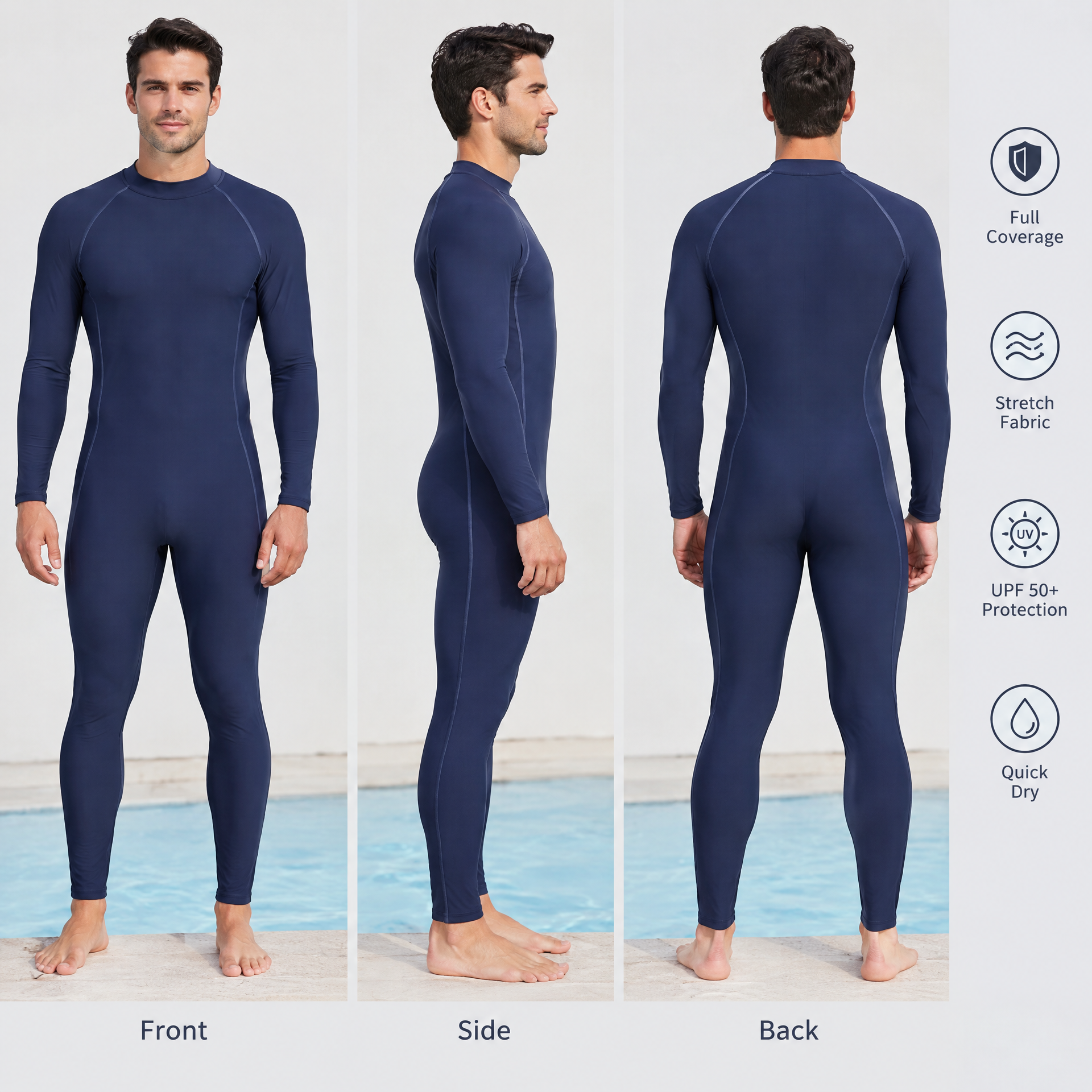
Male's swimsuits have changed a lot over the years. Swimmers once had few choices beyond basic trunks. Today there are board shorts, jammers, briefs, rash guards, and full sunsuits. Each is built for a different use, from competitive lap swimming to surfing, snorkeling, and family beach days.
This guide explains the main types of men's swimwear, the fabrics they use, and the features worth looking for. It also covers sun protection and stinger protection, two features that matter more as people spend longer in the sun and in open water.
Main Types of Men's Swimsuits
Swim Trunks
Swim trunks are the most common style. They sit at the waist and end above or around the knee. They are made from lightweight, quick-drying fabric and often have a mesh liner. Trunks suit casual swimming, resort holidays, and relaxed beach days.
Board Shorts
Board shorts are longer, usually ending at or just above the knee. They are made from durable, fast-drying material and often have a secure tie or velcro closure. Surfers and paddle boarders favor them because they stay put during active movement.
Jammers
Jammers are fitted swim shorts that end above the knee. They reduce drag in the water and offer more coverage than briefs. Competitive swimmers and triathletes often choose them for training and racing.
Swim Briefs
Briefs are the smallest and lightest option. They are common in competitive swimming because they give maximum freedom of movement and minimal drag. Many people also wear them for sunbathing and warm-weather swimming.
Rash Guards and Swim Shirts
A rash guard is a fitted shirt made from stretch fabric. It protects the skin from sun, chafing, and board rash. Many surfers, paddle boarders, and kayakers wear one with board shorts or jammers.
Sunsuits and Stinger Suits
A sunsuit is a one-piece or two-piece garment that covers the torso and often part or all of the legs. Many are made from UPF 50+ fabric that blocks about 97.5% of UVA and UVB rays. A stinger suit adds a tight, durable weave that acts as a barrier against jellyfish, box jellyfish, and sea lice. Many modern sunsuits combine both functions. They come in short-sleeve, long-sleeve, short-leg, and full-length versions.
Understanding Swimsuit Fabrics
The fabric affects comfort, durability, and performance. These are the most common materials.
Nylon blends are soft, smooth, and quick-drying. They are widely used in trunks and sunsuits.
Polyester blends resist chlorine, fading, and stretching out of shape. They are a strong choice for people who swim often in pools.
Elastane (also sold as spandex or Lycra) gives stretch and recovery. Most fitted swimwear contains some elastane so it moves with the body.
Recycled fabrics are made from reclaimed materials such as fishing nets and plastic bottles. Many brands now offer them as a lower-impact option.
Look for chlorine-resistant fabric if you swim in pools regularly. Chlorine breaks down ordinary swimwear fabric over time and causes fading, thinning, and loss of stretch.
Sun Protection in Swimwear
Long hours in the sun raise the risk of sunburn and long-term skin damage. Sunscreen helps, but it wears off in water and needs frequent reapplication. UPF-rated swimwear offers a more consistent layer of protection.
UPF stands for Ultraviolet Protection Factor. A UPF 50+ rating is the highest category, and it means the fabric blocks about 97.5% or more of UV radiation. Sun-protective swimwear is useful for swimmers, surfers, snorkelers, anglers, and anyone who spends long hours outdoors. It is also helpful for people with sensitive skin. You will still need sunscreen on exposed areas such as the face, neck, hands, and feet.
Stinger Protection and Marine Safety
In warm waters, jellyfish, box jellyfish, and sea lice can cause painful stings and skin irritation. A close-fitting suit with tightly woven fabric creates a physical barrier between your skin and these creatures. Stinger suits are popular with snorkelers, divers, and swimmers in tropical regions. They do not make you immune to stings on exposed skin, so follow local safety advice and warning signs.
Which Swimsuit Is Right for You?
The best choice depends on how you plan to use it.
For lap swimming and training, choose jammers or briefs made from chlorine-resistant fabric.
For surfing and paddle boarding, choose board shorts with a rash guard.
For snorkeling, diving, and tropical swimming, choose a stinger suit or a full sunsuit.
For beach holidays and family days, choose swim trunks, or add a short-sleeve sunsuit for extra sun protection.
For competitive racing, choose technical jammers or briefs that fit snugly and reduce drag.
How to Get the Right Fit
A good swimsuit should feel secure without restricting movement. Check these points before buying.
Waist: It should stay in place when you jump or dive, without digging in.
Length: Pick a length that suits your activity. Shorter styles reduce drag, and longer styles give more coverage.
Liner: A soft, supportive liner adds comfort. Check that seams do not rub.
Stretch: Two-way or four-way stretch fabric gives the best range of movement.
If you are between sizes, check the brand's size chart and read customer reviews about fit.
Swimsuit Care Tips
Good care helps your swimsuit last longer.
Rinse it in fresh water after every swim to remove chlorine, salt, and sand.
Wash it gently by hand or on a delicate cycle with mild detergent.
Avoid bleach and fabric softener, which can damage stretch fibers.
Dry it in the shade rather than in direct sun or a tumble dryer.
Rotate between two suits if you swim often, so each one has time to dry fully.
Frequently Asked Questions
What is the best swimsuit for men who swim every day? Jammers made from chlorine-resistant fabric are a popular choice. They hold their shape and color through frequent pool use.
Are sun protection swimsuits worth it? Yes, if you spend long hours in the sun. UPF 50+ fabric gives steady protection that does not wash off like sunscreen.
Is a stinger suit the same as a wetsuit? No. A stinger suit is thin and lightweight, and it is meant for warm water. A wetsuit is thicker and designed to keep you warm in cold water.
Can I wear a sunsuit in a pool? Yes. Choose one with chlorine-resistant fabric so it lasts longer.
Are sunsuits comfortable? Good ones use soft, stretchy fabric that feels light on the skin. They also dry quickly and let the body breathe.
Conclusion
Men's swimsuits now cover every need, from casual trunks to technical sunsuits. If you want style and comfort for a holiday, trunks and board shorts work well. If you train often, spend long hours in the sun, or swim in waters with jellyfish and sea lice, a UPF 50+ sunsuit or stinger suit gives extra protection. Think about where and how you swim, check the fabric and fit, and look after your suit. A good one will last for many seasons.