
Full Coverage Swimsuit: Coverage And Protection
Posted by ecostinger on 14th Oct 2026
A full coverage swimsuit is any suit cut to cover more of your body than a standard bikini or high-cut one-piece. At the mild end, that means a fuller seat, a higher neckline, and a covered torso. At the far end, it means a full-body style with long sleeves and long legs, sometimes with a hood.
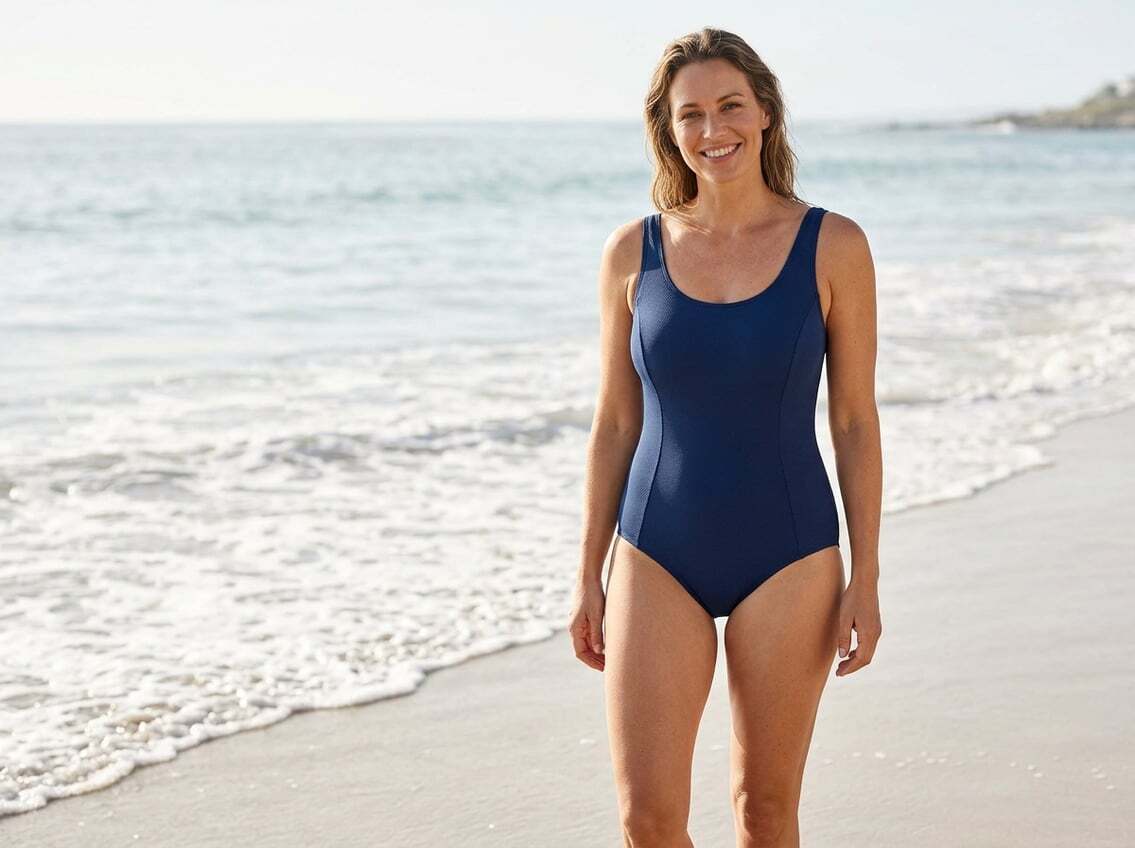
For most adults, a one-piece with full bottom coverage, a secure neckline, and a moderate leg opening gives you the coverage you want while still letting you swim freely; choose a full-body suit with a stated UPF 50+ rating if sun or jellyfish exposure is your main concern. More fabric means less exposed skin, though sun protection comes from the fabric's tested rating, which the cut alone cannot guarantee.
Coverage is a personal preference. Your teenager, your parent, and you may each want something different for the same lake weekend, and that is fine.
What Does a Full Coverage Swimsuit Cover and Protect Against?
A full coverage swimsuit covers your seat, hips, and torso at minimum, and full-body versions extend to your arms, shoulders, and legs. Brands describe bottom coverage in levels: EcoStinger for example, has the full body coverage swimsuit which covers the torso, legs arms and neck.
Fuller seat and torso coverage includes one-pieces, swimdresses, and tankinis paired with high-waisted bottoms. Full-body styles resemble a wetsuit in thin swim fabric, often marketed as stinger suits because they shield skin from jellyfish, sea lice, and sandflies.
For sun protection, look for a certified UPF number on the label. A UPF 50 fabric lets about 2% of UV radiation through; UPF 30 lets about 3.3% through. Color and thickness are poor guides, so check the tag.
Fit affects protection too. A suit stretched too tight thins the fabric and lets more UV reach your skin, and an old suit that has gone baggy or thin should be replaced. Rinse after chlorine or salt water to slow that wear.
Keep in mind what a suit leaves bare. Your face, hands, feet, and any uncovered neck still need sunscreen, and a hat and shade help. Full-body coverage can feel warm in humid heat, so quick-drying, breathable fabric and shade breaks make long days easier.
Who Can Wear One, and Where Can You Swim and Shop?
Anyone can wear a full coverage suit, and the right style follows the activity. For lap swimming or chasing kids in a pool, a full-cut one-piece stays put through dives and bending. For surfing or snorkeling, a long-sleeve or full-body suit with UPF fabric covers the back and shoulders that burn fastest when you lie on a board or float face down.
For a relaxed lake day, a tankini with high-waisted bottoms makes bathroom breaks easier and lets you mix sizes between top and bottom. Swimdresses suit anyone who wants extra hip and thigh coverage while lounging. Some brands, such as Janela Bay, offer matching family styles, which helps when you are outfitting several people with different coverage preferences.
Department stores and big retailers all carry these suits. Some lists full coverage one-pieces with UPF50+ options and tummy control, others stocks tankinis and swim dresses, and online shopping returns thousands of results, so filter carefully and read each product's fabric details.
EcoStinger has a dedicated full coverage swimwear category for women men girls and boys, plus a shorty one-piece sunsuit section; Use those category filters together with size and style filters, and note that EcoStinger offers free shipping, exchange and returns for up to 40 days, useful when ordering two sizes to compare fit.
Conclusion
Decide first whether you want fuller seat and torso coverage or a full-body style, then match the cut to where you swim. For sun protection, trust a stated UPF rating and a proper fit, replace suits that have thinned, and keep sunscreen on any skin the fabric leaves bare.