
Men's Bathing Suits: Types, Coverage, and Uses
Posted by ecostinger on 21st Oct 2026
Men's bathing suits cover far more than the loose shorts most people picture. The category runs from minimal swim briefs to knee-length jammers, relaxed swim trunks, longer boardshorts, and specialized one-piece or full-body racing suits. For most first-time buyers who swim casually, a lined swim trunk with a 5- to 7-inch inseam handles beach days, pools, and light swimming well. If you swim laps or surf, a closer cut or a longer boardshort will serve you better.
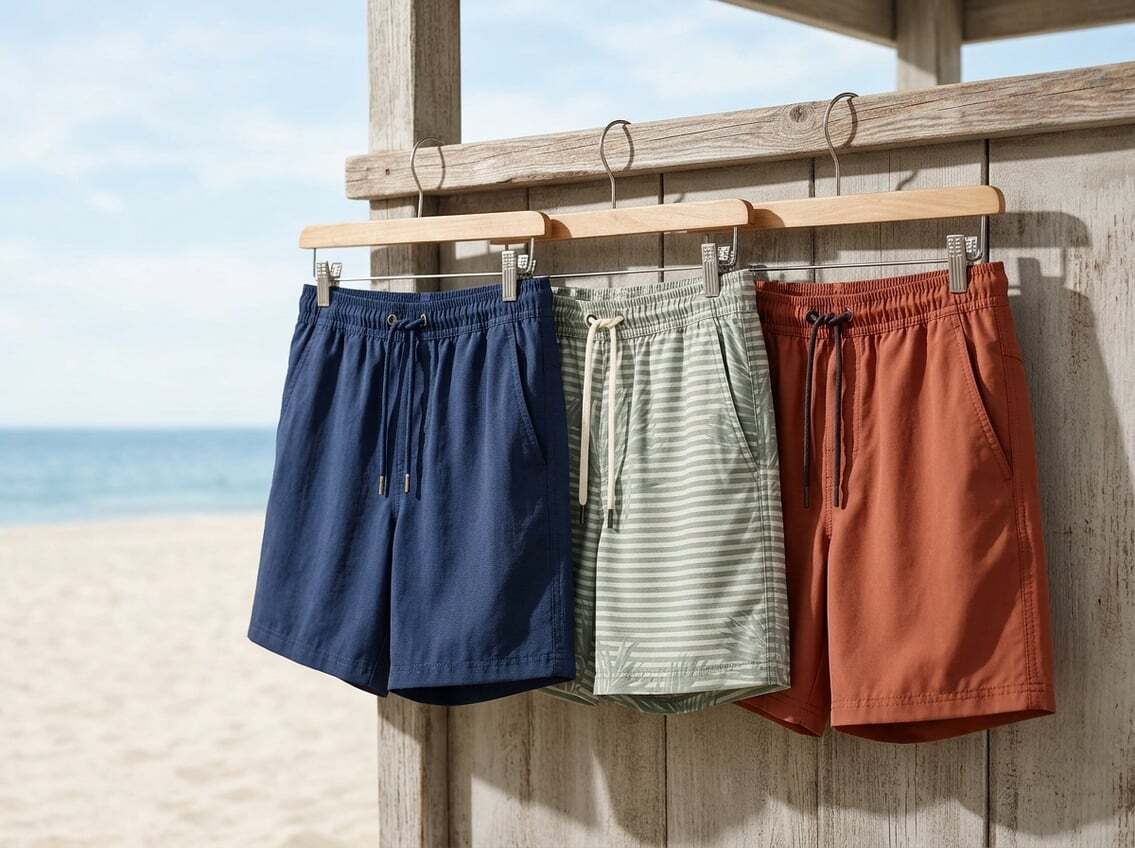
The cut you choose affects more than appearance. Loose fabric balloons and drags in the water, wet mesh chafes on long walks, and a suit without a drawstring can slide down when you push off a wall. Coverage, support, and drying speed all shift from one style to the next.
Once you know how each cut behaves, you can match a suit to the swimming you plan to do, size it with confidence, and keep it in good shape for more than one season.
What Counts as a Men's Bathing Suit?
A men's bathing suit is any garment designed to be worn in the water, built from fast-drying synthetic fabric with a cut meant for swimming, surfing, or lounging near water. Most men's swimwear is a bottom-only garment, though tops and full-body suits fill specific roles, and the fabrics differ sharply from what you wear on land.
Are Men's Swimsuits Usually One Piece or Two Pieces?
Men's swimsuits are almost always a single bottom garment: trunks, boardshorts, briefs, square legs, or jammers. The "two-piece" label belongs to women's swimwear, where a matching top and bottom are sold as a set.
When you add a rash guard or swim shirt, you are pairing a separate top with your bottom, and the two are bought and worn independently. True one-piece men's suits do exist, but they are mostly competition or specialty garments.
How Do Swim Fabrics Differ From Everyday Clothing?
Swim fabrics are built to shed water and dry quickly. Nylon and polyester dominate men's swimsuits because they hold little water and stay light when wet, and many blend in spandex for stretch.
Cotton shorts absorb water, sag, and take hours to dry. Early swimsuits were knit wool, which explains why synthetic fabrics changed swimwear so dramatically from the 1930s onward. If you swim in chlorinated pools often, polyester holds up better than spandex-heavy blends.
Which Swimwear Types and Coverage Options Are Available?
Men's swimwear ranges from loose, shorts-like cuts that cover the thigh to skin-tight suits that run from waist to knee or beyond. Looser styles favor comfort out of the water, close-fitting styles reduce drag, and separate tops add upper-body coverage.
Swim Trunks: Relaxed Coverage for Everyday Swimming
Men's swim trunks are the most common style in North America. A classic swim trunk has an elastic waist, a drawstring, a built-in liner, and an inseam between about 4 and 8 inches.
They look like ordinary shorts, which makes them easy to wear from the water to a snack bar. Mesh pockets let water drain so the suit does not balloon when you dive in. Retailers such as Ecostinger's men's swimwear range show how wide the trunk and short category has become.
Boardshorts: Surf-Inspired Coverage and Freedom of Movement
Boardshorts are longer than trunks, commonly 8 to 9 inches or more, and close with a lace-up fly or a zipper instead of elastic. Their waistband sits a little higher, and most have no liner.
The extra length protects your thighs from sun exposure and from rashes caused by sitting on a surfboard. Stretch fabrics in modern boardshorts keep your legs moving freely while paddling.
Swim Briefs, Square Legs, and Jammers: Close-Fitting Options
These three styles hug the body and differ mainly in leg length. Swim briefs have a V-shaped front that leaves the thighs bare, giving you the least fabric and the lowest drag.
Square legs cover from waist to upper thigh with a straight-cut leg, much like boxer briefs. Jammers extend to just above the knee and resemble bike shorts without padding. All three stay put during dives and flip turns.
One-Piece and Full-Body Suits: Specialized Coverage
One-piece and full-body suits serve competitive swimmers and specialty uses. Racing "skins" come in cuts such as kneeskins and bodyskins, using compression fabrics and bonded seams to streamline the body.
Tech racing suits are delicate and expensive, and their compression fades after a limited number of wears. You do not need one unless you race.
Rash Guards and Swim Shirts: Separate Tops for Added Coverage
Rash guards are close-fitting tops made from stretch fabric, originally for surfers who got chafed while paddling. Many carry a UPF rating, so you know how much sun they block.
Swim shirts are looser versions popular with casual swimmers who want shoulder and back protection. A regular white cotton T-shirt offers roughly UPF 7, which drops to about 3 when wet.
Which Style Works Best for Each Activity?
Your activity should drive your choice of men's swimwear. Lounging allows any cut you like, steady swimming rewards a snug fit, board sports favor longer coverage, and cold water calls for insulation that no swimsuit provides.
Beach Days, Recreational Pools, and Resort Trips
For lounging, wading, and light swimming, trunks are the easiest choice. They wear like shorts, dry fast, and look appropriate at a pool bar or on a boardwalk.
Square legs also suit resort pools if you prefer a trim look. Pack a lightweight shirt for walks or cooler evenings, and choose a mesh liner if you will spend long hours out of the water.
Lap Swimming, Training, and Competition
Briefs and jammers are the standard for laps. Briefs give unrestricted hip movement, which breaststroke swimmers value, while jammers add thigh coverage and prevent inner-thigh chafing during long sets.
Loose trunks fill with water and slow you down. A drawstring waist keeps any training suit secure when you push off the wall. Many swimmers own both cuts and switch by workout.
Surfing, Paddling, and Other Water Sports
Boardshorts suit surfing, stand-up paddling, kayaking, and wakeboarding because the length shields your legs from board friction and sun. A secure lace-up fly holds up through wipeouts better than elastic alone.
Pair them with a rash guard for longer sessions. Some surfers prefer snug, shorter cuts for less drag when paddling.
When Do You Need a Wetsuit Rather Than a Swimsuit?
You need a wetsuit when water temperature, not coverage, is the problem. Wetsuits are insulated neoprene garments that trap a thin layer of water against your skin to keep you warm during prolonged immersion.
A rash guard protects against sun and chafing but provides almost no warmth. If you plan to surf, snorkel, or dive in cool water for extended periods, a swimsuit and rash guard will leave you cold.
How Should a Bathing Suit Fit?
A bathing suit should feel snug at the waist, stay in place when you move, and keep its coverage when wet. Fit for men's bathing suits comes down to waist size, inseam, liner type, and a simple movement check.
How Do You Choose Waist Size and Inseam?
Start with your waist measurement taken around your natural waist, just above the hip bones, then compare it to each brand's size chart, since sizes vary between labels. Your usual underwear size is a reasonable starting point.
For men's swim trunks, 4- to 5-inch inseams sit high on the thigh, 6 to 8 inches fit like standard shorts, and 8 to 9 inches add coverage for water sports. Taller swimmers tend to suit the longer end. If you fall between sizes, a drawstring lets you cinch a slightly larger suit.
Mesh Liners, Compression Liners, or No Liner?
Mesh liners are breezy and comfortable on land, though they can chafe during long walks or active swimming. Compression liners fit like short boxer briefs, reducing chafing and keeping you covered if the outer shell floats up.
Unlined boardshorts let you choose your own base layer. Liner comfort varies widely by design, so check the fabric and seams before you commit.
How Can You Check Support, Mobility, and Wet Coverage?
Move around in the suit before you keep it: squat, lunge, and lift your knees. The waistband should stay put without digging in, and the leg openings should not ride up.
Remember that fabric stretches and sags slightly when wet, and light colors can turn sheer. A full lining helps prevent transparency in close-fitting styles.
Which Features Matter Before You Buy?
The features that affect daily use most are fabric durability, waistband security, pocket design, and sun protection. Men's swimsuits vary widely in each, so check the product details against how and where you swim.
Quick-Drying Fabric, Stretch, and Chlorine Resistance
Nylon and polyester dry fast, while spandex adds stretch. Spandex-heavy suits lose shape and fade faster in chlorine, so frequent pool swimmers get more life from polyester or polyester-blend suits.
Four-way stretch fabrics improve movement in trunks and boardshorts. Fast drying also means you are comfortable sooner after leaving the water.
Secure Waistbands, Pockets, and Drainage
A drawstring backs up elastic and keeps your suit on during dives. Boardshorts rely on a lace-up fly, sometimes with a hook-and-loop closure.
Mesh-lined or grommeted pockets drain water so the suit stays light. A zippered or flap pocket holds keys more securely than an open slash pocket.
What Does a UPF Rating Tell You?
UPF measures how much ultraviolet radiation a fabric blocks. The Skin Cancer Foundation rates UPF 30 as very good protection and UPF 50+ as excellent; UPF 50+ blocks more than 98 percent of UV rays.
The rating applies only to the skin the fabric covers, so you still need sunscreen on exposed areas. Rash guards and longer boardshorts give you the most rated coverage.
How Do You Care for Swimwear?
Rinse men's swimwear promptly after every swim, wash it gently in cool water, and dry it away from heat. Chlorine breaks down fibers, salt dries out fabric, and sunscreen leaves greasy residue.
Rinsing After Chlorine and Saltwater
Rinse your suit in cool, fresh water as soon as you can after swimming, even if a full wash has to wait. The quicker you remove chlorine, salt, and sunscreen, the better the fabric and elastic hold up.
Squeeze out water gently. Wringing and twisting strain the elastic and liner seams.
Washing and Drying Without Damaging Fabric
Hand washing with a mild detergent is the safest method. If the care label allows machine washing, use a mesh laundry bag, a delicate cycle, and cold water.
Skip the dryer entirely, since heat damages elastic and synthetic fibers. Lay the suit flat in the shade or indoors to dry, because direct sun fades color quickly.